
By Teoti Anderson, CPDT-KA, KPA-CTP
🐾BEGINNER DIFFICULTY

By Teoti Anderson, CPDT-KA, KPA-CTP
Last reviewed and updated: April 12, 2024
That new puppy you bring home will grow into a dog who shares your life for the next decade or more, so it’s worth getting the choice right. Starting with a pup whose temperament and health suit your household makes everything that follows smoother.
Where Should You Look for a Puppy?
Finding a pup usually means choosing between a responsible breeder and a shelter or rescue group. Either route works, as long as you do your homework and ask the right questions. Good breeders and good rescues both want their puppies landing in homes that fit.
If you go the breeder route, visit in person, ask about health testing, and watch how the puppies and their mom are kept. If you choose a rescue, spend real time with the puppy before committing.
How Do You Spot a Dog-Friendly Breeder?
A breeder who truly cares about their dogs will happily show you around, answer every question, and never rush you out the door. They health-test their breeding dogs, raise pups in the home, and stay involved long after you take yours home.
They’ll also quiz you right back—because they want to know their puppies are going to good homes. That two-way screening is a great sign.
Which Breed Fits Your Lifestyle?
Match the dog to your reality. A high-drive herding or sporting breed can be a joy for an active person, but a handful for a couch-loving family. Talk to owners, meet the breed in person, and be honest about your energy level and living space.
Don’t just fall for a look. That adorable face won’t matter much at 6 a.m. on a rainy walk or when a strong-willed adolescent tests your patience.

Look at the whole litter, not just the boldest pup who runs to the front. Watch how they play, rest, and recover. The sweet spot is often a puppy who is curious but not pushy—engaged with people yet able to settle.
If you’re choosing from a litter, aim for the “middle-of-the-road” puppy. It sounds unexciting, but that balanced little one is usually your safest bet for a happy family dog. A pup bulldozing siblings out of the way to grab a toy may be a real challenge later. We’ve ruled out the wallflower, so look to the middle of the pack—there’s a gem waiting there.
Your head should handle the practical calls about health, temperament, and fit with your home. That doesn’t mean your heart gets no vote. You need to fall a little in love. You need that spark—maybe it’s the puppy with the crooked ear, or the one who flops into your lap and sighs. Your heart gets to pick the start of a bond that lasts a lifetime.
This is the age when most puppies are ready to leave mom and join a new family. They usually wean at around four to five weeks, yet they’re still soaking up vital lessons from their mother and littermates.
On the Clock: Key Development Windows and What to Expose Your Puppy To
Puppyhood is the most important stretch in a dog’s entire life. You’re laying the groundwork for everything that comes next.
This is when most puppies are ready to leave mom and join their new family. They typically wean at around four to five weeks, but they’re still picking up crucial lessons from their mother and littermates.
Take your puppy to your own vet within 48 hours of bringing him home, even if a breeder or rescue already had him checked. A second pair of eyes is always wise, and it helps your vet build a relationship with a new patient.
Give your puppy a few days to decompress, but start routines and training right away. Hiring a reward-based trainer early can head off bad habits before you and your pup lock them in.
Decide early whether you’ll paper-train or teach outdoor elimination, and stick to it. If you only want him going on grass, skip the pee pads indoors—mixed messages just confuse everyone.
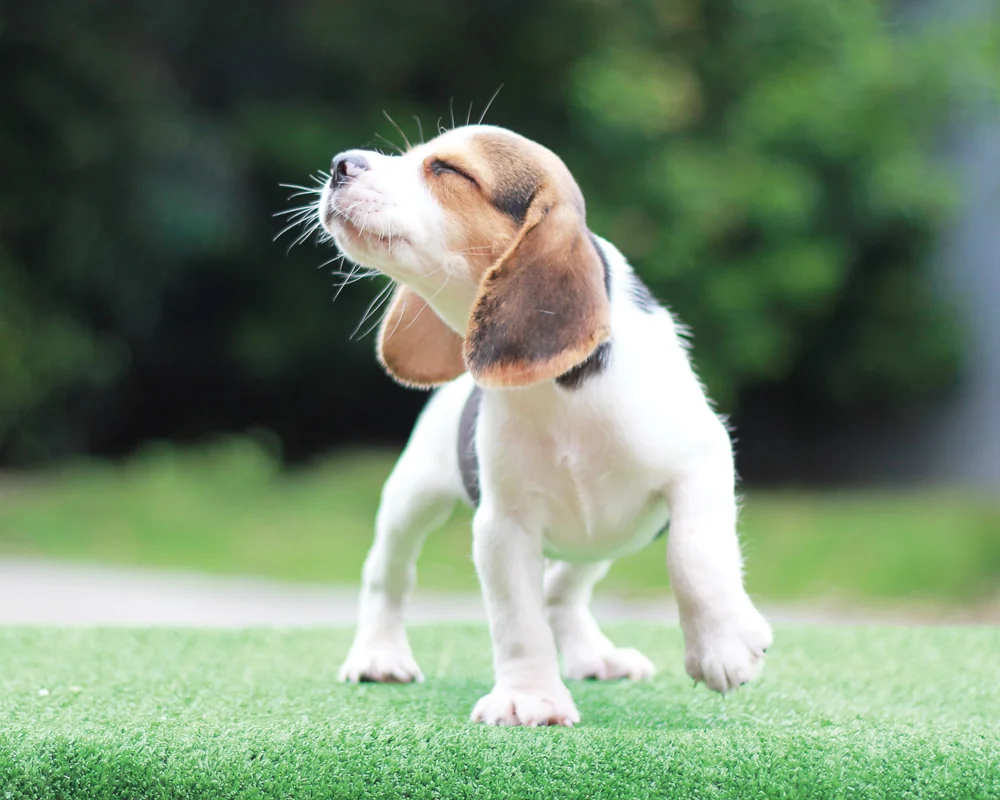
You can begin basic obedience too: sit, come when called, no jumping on people. Puppies are little sponges—keep sessions short, upbeat, and game-like.
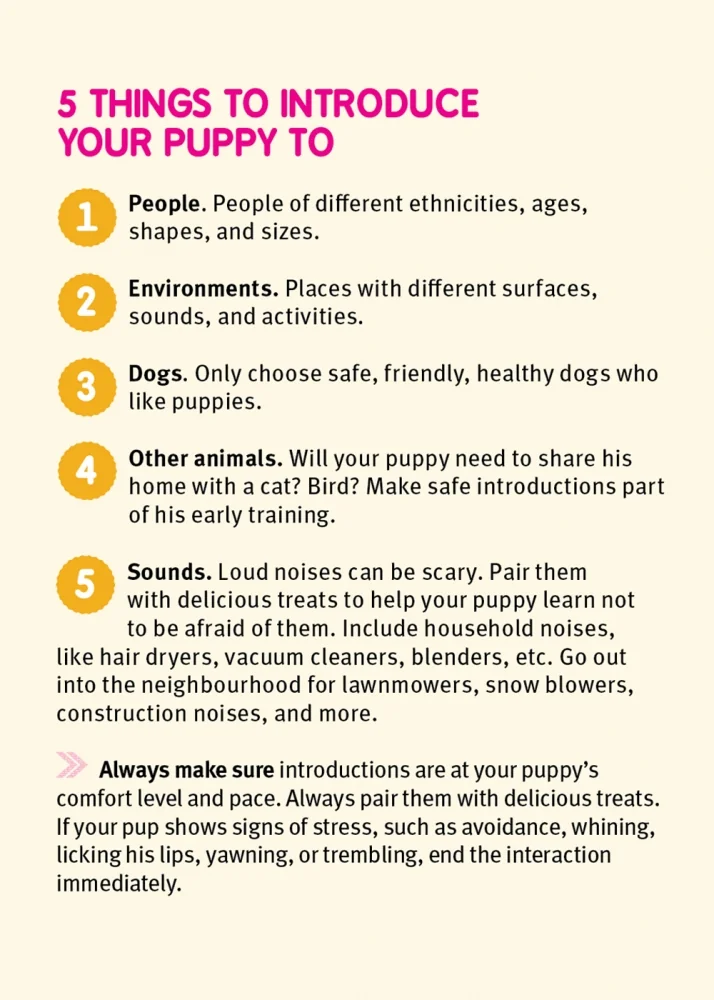
Socialization kicks into high gear now. You cannot wait for full vaccinations; that window will slam shut. A puppy’s critical socialization period ends around 12 weeks, so the clock is ticking.
Socialization isn’t only about meeting new people, dogs, and places—it’s about making every single one of those meetings a happy little party. Carry treats everywhere. Reward calm curiosity. Never force him toward something scary; let him set the pace, and steer each interaction so it ends well.
Bring him to dog-friendly shops and quiet spots. Skip dog parks and busy public parks where illness may lurk. You can socialize thoroughly and still stay safe.
Keep socializing. Rotate a stash of tough chew toys daily so they feel new. Around 16 weeks those needle teeth start dropping out for the adult set.
Carry training and socialization through the teenage phase. If problems pop up, get help sooner rather than later. Small breeds mature near a year; medium dogs like Labs around two; giants like Great Danes not until about three.
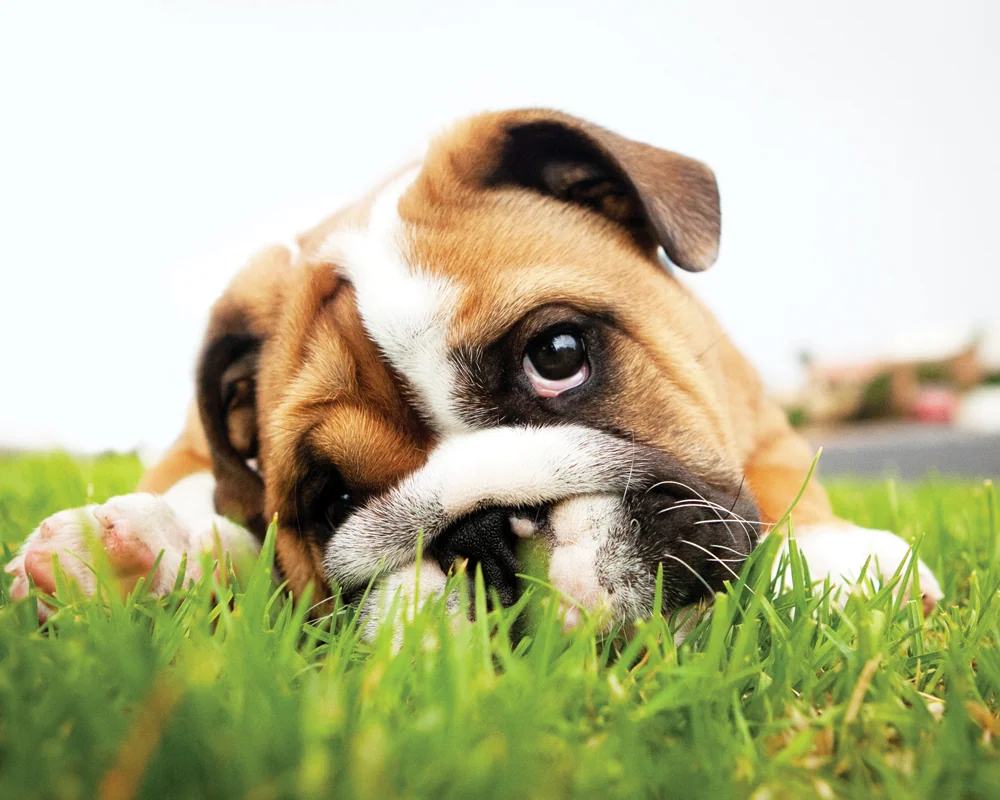
3. Training (aim for two 15-minute sessions a day)
Snapshot by Grant Johnson (shutterstock)
5 Common Mistakes New Puppy Owners Make
1. Waiting to socialize until after all shots are done.
Sound like a broken record yet? Old advice to keep puppies home until vaccinated still hangs around, and it’s risky. Don’t wait. Be smart about germs, but get your puppy out now. Teach him to be friendly and relaxed with all kinds of people in all kinds of places, and you’ll head off fear and reactivity down the road.
2. Treating every puppy the same. Match training and socialization to your individual pup’s comfort level.
3. Overwhelming him with too many new things at once. Pace the experiences so each one stays positive.
4. Skipping crate or settle training. A puppy who can relax alone is easier to live with for years.
5. Forgetting that adolescence is coming. The cute baby becomes a testy teenager—start your foundation now.
The bottom line: choose with your head and your heart, then pour effort into those first few months. Get socialization and training right early, and you’ll enjoy a confident, well-adjusted dog for years to come.
Want more help? Many modern puppy owners now pair in-person classes with apps and online communities for positive-reinforcement tips—just keep the human connection central.
Above all, be patient. The puppy you choose today is a teammate for life, and the work you put in now pays off every single day.
From Modern Dog magazine. Subscribe for more great content!
Say the cue once, clearly, in a happy voice - then wait.
The instant the wanted behavior happens, mark it with a cheerful Yes!
Reward within one second so the win is impossible to miss.
Add one small distraction at a time, and reward the brave choices.
Keep sessions short and always end on a success your dog is proud of.
Next Training Session